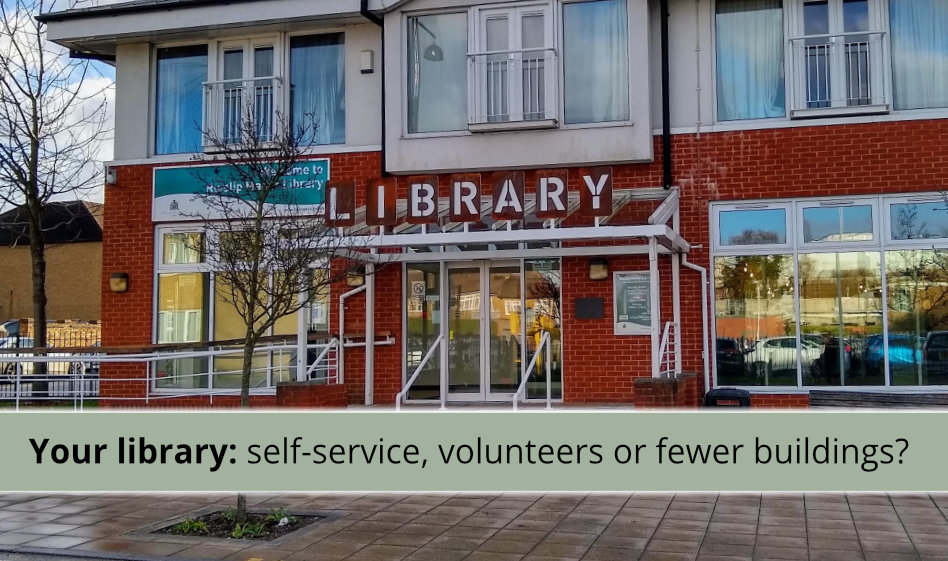
On Thursday 19 November, Hillingdon’s Cabinet will decide whether to launch a review of the borough’s libraries. If it agrees, residents will be asked for their views from 1 December to 18 January. Cabinet is due to discuss the results and any proposals on 18 February 2027.
No library has been singled out for closure. But the options include moving libraries, sharing or combining buildings, opening without staff, using volunteers and building affordable homes on Council land. The report gives no figure for what libraries cost to run, or for any saving the Council hopes to make. We want those figures, or a clear statement that there is no savings target, before residents are asked for their views.
Key dates
- Thursday 19 November: Cabinet decides whether to launch the review.
- Friday 20–27 November: Cabinet’s decision is due to be published on 20 November. Councillors can ask for it to be examined by a scrutiny committee (a “call-in”) until 5pm on Friday 27 November.
- 1 December to 18 January (planned): Residents can respond online or on paper, and there should be sessions in libraries and community venues. The dates could change if the decision is called in or the consultation papers aren’t ready.
- Thursday 18 February 2027: Cabinet is due to see the results, a draft library strategy and any proposals for changes. It may then agree to a second consultation on specific changes.
Watch the Cabinet meeting here, live on the night.
You can read the library report in full.
Here’s the part the report leaves out. In May, the Council’s independent finance reviewers at CIPFA said officers had already drawn up a list of politically difficult savings options, including “reviewing library footprint and its three theatres”. CIPFA said there appeared to be “no political will” to take those decisions, and “no credible alternative” if they weren’t taken. The new library report doesn’t mention any of this.
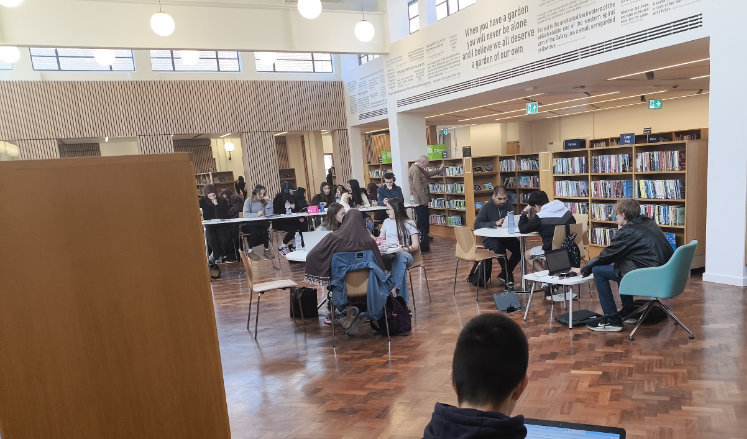
The aim is a new Library Strategy for 2027–2031, as the current one runs out next year. Cllr Wayne Bridges (Hillingdon East), Cabinet Member for Residents Services, is responsible for the report.
What Cabinet is being asked to agree
Two things:
- Start the review and hold a public consultation lasting at least six weeks. Dan Kennedy, the Council’s Corporate Director of Residents Services, and Cllr Bridges would agree the final questions and papers.
- Bring the responses, a draft strategy and any specific plans for changing library services back to Cabinet in February. Cabinet would then decide whether residents need to be consulted again before final decisions are made.
So there could be two consultations. This first one is about what people need from libraries and how the service should develop. Detailed plans for a particular library, its hours or its staff would come later.
The consultation runs over Christmas and New Year. The Council says it has allowed extra time for the holidays, and that six weeks is its own choice, not a legal minimum.
What’s on the table
The report lists seven ways library services could change. They are not decisions or firm proposals. But they are real options in a Cabinet report, and residents should know about them.
Digital, online, mobile and outreach
More e-books, online services and help for people who struggle to get online. The report says digital services should be “a core part” of what libraries offer.
Self-access libraries
Library members could let themselves in at set times, with no staff there. The Council says it would need to look at cost, security, access and whether people still need help from staff.
Sharing buildings
Libraries could share space with other Council, community or health services. The report points to the Council’s Family Hubs as an example.
Volunteers
The report mentions “alternative delivery models, including the role of volunteers”. It doesn’t say what volunteers might be asked to do, or who else might run libraries. The Council’s outside reviewers welcomed a new “pragmatism” about how services are run, pointing to specialist operators now running the golf courses.
Moving
Moving libraries into “more suitable and energy-efficient accommodation”.
Hours and staff
Changes to opening hours, how libraries are run and how they are staffed.
Fewer buildings
Combining Council buildings and services, so fewer separate buildings are needed, including “the potential for new affordable homes where appropriate”.
The report says “no staffing model or reduction is proposed at this stage”. In other words, it doesn’t yet propose job cuts or a new way of staffing libraries.
The Council considered doing nothing, looking only at library buildings, or making changes straight away, and rejected all three. It says it wants a wider review first.
By law, the Council must provide a “comprehensive and efficient” library service. But the law doesn’t set a minimum number of library buildings.
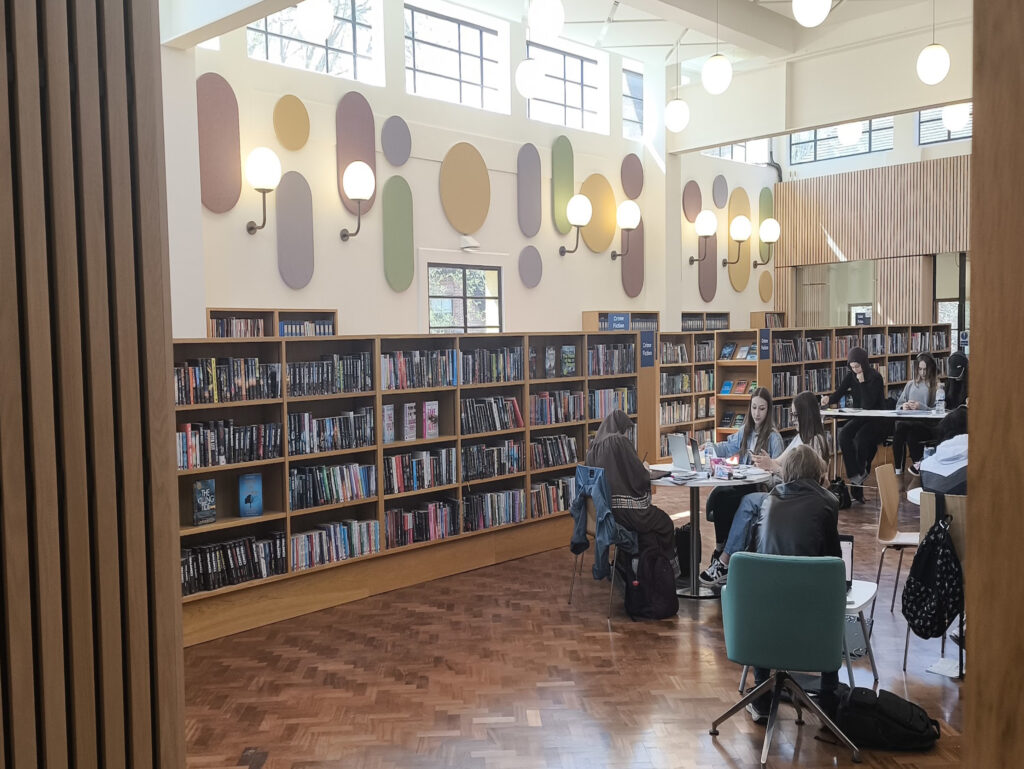
Open - What the law says: no minimum number of libraries
The Public Libraries and Museums Act 1964 says the Council must provide a “comprehensive and efficient” library service for people who live, work or study in the borough. It doesn’t say how many buildings the Council must keep.
Before taking a final decision, Cabinet must be satisfied that the remaining libraries, the mobile library, online services and any other support would still meet that legal duty. That duty, and the requirement to consult properly, are residents’ main protections.
The report also says Hillingdon has a larger library network than the London average, with fewer visits per library. It says this comparison “will not determine the outcome”.
More visits, fewer loans
Hillingdon’s libraries recorded more than a million visits in 2025/26, up 12% on 2022/23. Loans of books and other physical items fell 13%. People don’t only go to libraries for books: many go to collect recycling bags and hearing aid batteries.
Open - Over a million visits a year, and not all of them for books
Visits and digital borrowing have risen since the current strategy was written. Loans of physical items have fallen, although they still make up most borrowing.
| 2022/23 | 2025/26 | Change | |
|---|---|---|---|
| Visits | 944,000 | 1,060,736 | up 12% |
| Physical loans | 875,000 | 758,503 | down 13% |
| Digital loans | 280,000 | 353,941 | up 26% |
Libraries do much more than lend books. In 2025/26, more than 40,000 children and carers came to early-years sessions, over 24,000 people joined reading groups and befriending sessions, and more than 800 got help with digital skills. Library computers were used for 99,898 hours.
That help matters. The Council’s own Digital Strategy promises to keep supporting residents who are “unable, less confident or less able to use technology”, and its outside reviewers said digital inclusion “needs strong coordination”. Much of that support happens in libraries, with staff on hand. A more digital library service still needs somewhere people can get help in person.
But the visit figures don’t say why people came. In our experience, many visits aren’t to borrow anything at all, but to collect things for other Council services. Every library hands out dry recycling bags, food waste caddy liners and free hearing aid batteries.
The report doesn’t say how many visits are for collections, books or other activities. If a library closes, moves or opens without staff, residents will still need somewhere to collect these supplies.
Why now? Libraries were already on the Council’s list of hard choices
The Council says the review is needed because the current library strategy expires in 2027. That’s true, but it isn’t the whole story. CIPFA’s report shows libraries were already on a list of savings options, under review “over many months”, while the Council’s finances and governance were under serious strain.
Open - The savings list libraries were on before anyone asked you
The library report mentions “operating cost pressures” and “long-term financial sustainability”, but gives no figures for libraries. Other papers fill in the picture:
- Emergency funding. Hillingdon has needed Exceptional Financial Support from the government to balance its books. It was offered £88 million for 2025/26 and used £83 million. A further £62 million has been approved in principle for 2026/27, and the government is “minded to” agree another £23 million for 2027/28. The support is funded by borrowing, which the Council will repay with interest over 20 years.
- A formal government warning. In July, the government issued a Best Value Notice. It raised concerns about the Council’s finances, governance and culture, and called for improvement “at pace”.
- A big budget gap. In May, CIPFA put the underlying gap in the Council’s finances for 2027/28 at £48.3 million. It described “a culture of weak financial management and governance” and a “poor record historically in delivering savings”. In October, the Council’s Improvement Board reported that savings of £30 million to £40 million were being considered.
- Culture is the exception. CIPFA found that Hillingdon is low-cost compared with its neighbours in every service area except “cultural and related services”, where unit costs are relatively high.
- Libraries were on the list. CIPFA said officers had drawn up options including “reviewing library footprint and its three theatres”, alongside fortnightly bin collections and a Council Tax rise above the referendum limit. It said there appeared to be “no political will” to take those decisions, and “no credible alternative” if they weren’t taken. It recommended exploring every option, including politically difficult ones, immediately after the May elections.
- Land and buildings. CIPFA found the Council had no asset management strategy, and that its capital programme was £22.5 million short of the money it expects from selling land and buildings. It asked for a policy on selling assets by the end of December. Library buildings are Council property, and one has already gone: the former Uxbridge Library building was sold, with the proceeds helping to pay for the Council’s transformation programme (March 2026 budget report).
- Weak scrutiny. CIPFA said the scrutiny committee appeared to act “on the basis of party-political lines” rather than testing whether decisions reflected good governance or value for money, and found “a lack of depth in the scrutiny arrangements”. That matters when residents need councillors to challenge this review properly.
None of this is in the library report. But it’s the context residents need to understand why this review is happening now.
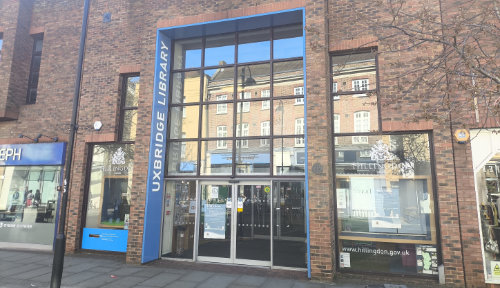
SOLD – the old Uxbridge Library building has been sold
So how much could this review save? We’d like to tell you in RAGCs. We can’t.
When Cabinet changed garden waste collections in October, the report came with a savings figure. We had our doubts about it, but at least there was one. Why not for libraries?
Open - What's this review worth in RAGCs? We tried to find out
For new readers, one RAGC is £150,000, our home-made unit named after the Rural Activities Garden Centre.
The library report says approving a review has “no immediate financial implications”. That isn’t the same as saying future changes would cost or save nothing. The report says the review will look at running costs and the condition of buildings, but it gives no figure for what the service costs now, what the buildings need spending on, or any saving the Council has in mind.
Contrast that with October’s garden waste decision. That report put a figure on the expected saving. We questioned how it was worked out, but residents could at least see the Council’s financial case. The Council’s outside reviewers even suggested it should learn “lessons” from how the garden waste policy was developed. We want the same openness about libraries.
Savings on paper don’t always arrive, either. The outside reviewers found that only £7 million of the £21.5 million of savings planned for 2024/25 was achieved. That’s all the more reason to show residents the numbers.
For scale, CIPFA’s £48.3 million gap for 2027/28 is about 322 RAGCs. And library overdue fines and room-hire charges have already gone up: see our October article.
In June, another team of outside reviewers warned that money pressures could squeeze everyday services hardest. They named libraries as one of the basics the Council should guard.
Open - Libraries are 'basics' too, say the outside reviewers
In June, councillors and senior staff from other councils reviewed how Hillingdon is run. The Local Government Association (LGA) organised the review, called a “corporate peer challenge”. Their report and the Council’s action plan are also on the 19 November Cabinet agenda.
The reviewers warned that, with social care costs rising, everyday and discretionary services risk feeling “the greatest squeeze”. They listed libraries alongside bin collections, green spaces and potholes as part of “Brilliant at the Basics”, and said the Council “will want to guard against this”.
They also said councillors should be reassured that every other way of saving money has been tried before any “politically difficult, sensitive or contentious decisions” are taken. And they said future emergency funding should come from selling assets rather than more borrowing.
The Council will publish its draft budget for next year in December, before residents have finished responding to the library consultation. So we want to know: is it already counting on library savings?
What it means for Ruislip
Our area has two libraries: Manor Farm Library in Bury Street and Ruislip Manor Library in Linden Avenue. Close by, in neighbouring wards, are South Ruislip Library in Victoria Road and the Eastcote and Ickenham libraries in Field End Road and Long Lane.
In 2022/23, Ruislip Manor was one of Hillingdon’s three busiest libraries. Together with Uxbridge and Botwell Green, it accounted for about a third of all library visits.
The report doesn’t propose closing or changing any particular library. It promises to look at how each library is used, what local people need, how easy it is to get to, the state and running cost of the building, opening hours and other services nearby. It says it will start from evidence of need “rather than assumptions about particular buildings”.
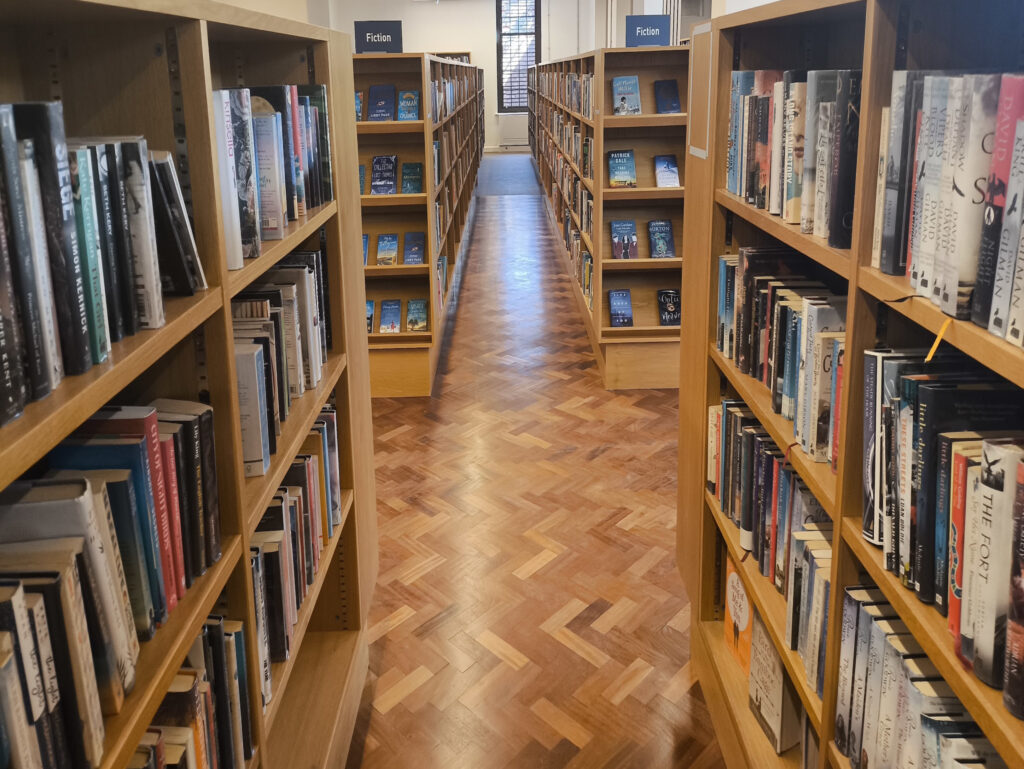
We expect this consultation to be clear
We’ve been here before with the parking consultation. The Cabinet report and the questions put to residents didn’t match. We had to ask the Council 16 questions to work out what was actually being proposed, and then set out what the consultation left out.
This time, the Council has made a clear promise. The report commits to “consistent information on what is being considered, what has and has not been decided and how residents can respond”.
The Cabinet report puts moving or sharing libraries, combining Council buildings, opening without staff, volunteers and new homes on the table. But the first consultation is described as asking about “needs and priorities” and the “future direction of the service”. If the consultation papers leave out the options Cabinet has published, the Council won’t have kept its own promise, and we’ll say so.
The law also says consultations must give people enough information to respond properly.
Open - The court ruling that says you're entitled to know more
The “Gunning principles” are the rules for fair public consultation. They say people must be given enough information about what is proposed, and why, to give a meaningful response. In 2014, the Supreme Court endorsed those principles in a case against Haringey Council, finding its consultation unfair partly because people hadn’t been told about the alternatives (R (Moseley) v Haringey).
That was the heart of our complaint about the parking consultation: people weren’t told enough to answer properly. The first library consultation is about the wider strategy, not individual branches. Even so, residents should be told clearly what ideas are on the table.
The outside reviewers found that listening to residents is already a weak spot. They noted it had been a “significant period of time” since the last residents’ survey, that residents’ views weren’t used consistently when services were designed, and that engagement across the Council was poorly coordinated. Those aren’t our accusations: they’re the findings of a review the Council invited.
The Council promises a new approach: reaching people whose views are often missed, and explaining how their responses shaped decisions. Its action plan schedules that for January to June 2027, after the library consultation is due to close. The Council shouldn’t wait until then to meet the standard it has set itself.
Before the consultation opens, we’ll put 12 questions to the Council, from what libraries cost to run to where you’d collect your recycling bags if your library changed.
Open - The 12 questions we're putting to the Council
- What does the library service cost to run now, including its buildings?
- Is there a savings target for libraries? Is it already in the £30 million to £40 million of savings the Improvement Board has seen, or in next year’s budget?
- Which buildings could be considered for relocation, sharing or “consolidation”? Are any on the Council’s list of sites for sale?
- Will the consultation documents tell residents that “reviewing library footprint” was on the list of savings options CIPFA reported?
- Are the three theatres being reviewed too?
- How would self-service opening work for children, older people and anyone who needs help?
- Will the Council publish its assessment of local needs, and of the possible effects on different groups (the Equality Impact Assessment), while people can still respond?
- If there is a second consultation, how will the Council avoid treating answers to this broad first one as support for changes people weren’t told about?
- Will the Council report how residents’ answers influenced its decisions, as its own action plan promises for future consultations?
- Will December’s draft budget assume a library saving for 2027/28? If so, how much, and how does that fit with a consultation that hasn’t happened yet?
- How many library visits are to collect recycling bags, caddy liners or hearing aid batteries? If a branch closes, moves or goes self-service, where would residents collect them?
- Could “alternative delivery models” mean handing libraries to an outside operator, a charity or volunteers, as the Council has done with its golf courses?
What you can do
- Email Cabinet before Thursday. Ruislip Manor councillor Susan O’Brien is on Cabinet, along with the councillors for our neighbouring wards of South Ruislip, Eastcote and Ickenham:
- Cllr Susan O’Brien, Ruislip Manor, Adults, Children, Health & Care: so’brien@hillingdon.gov.uk
- Cllr Steve Tuckwell, South Ruislip, Leader of the Council: stuckwell@hillingdon.gov.uk
- Cllr Richard Mills (aka Deputy Lemon – he is the Yuzu Lemon), South Ruislip, Deputy Leader: rmills2@hillingdon.gov.uk
- Cllr Nick Denys, Eastcote, Planning, Housing & Property: ndenys@hillingdon.gov.uk
- Cllr Eddie Lavery, Ickenham & South Harefield, Finance: ELavery@hillingdon.gov.uk
- Cllr Wayne Bridges, Hillingdon East, Residents Services, who leads on this report: Wbridges@hillingdon.gov.uk
- Cllr Adam Bennett, Hillingdon West, Community, Environment & Enforcement: abennett@hillingdon.gov.uk
Ask them to publish what libraries cost to run, and to say whether there is a savings target. If there is, ask for the figure before the consultation opens. You can also ask the Residents’ Services Select Committee to invite Cllr Bridges to answer questions. The outside reviewers found that Cabinet members rarely attend these committees.
- Ask Cllr Douglas Mills to raise our questions. Another regular at Cabinet meetings is Ruislip Manor councillor Douglas Mills. He attends only as Chief Whip, not as a Cabinet member, so he can’t vote. But he can speak and ask questions, as he did last month. He is also the father of Cllr Richard Mills (aka Deputy Lemon – he is the Yuzu Lemon). Email him at dmills@hillingdon.gov.uk and ask him to raise our questions at Thursday’s meeting.
- Copy us at secretary2@ruislipresidents.org.uk.
- Respond when the consultation opens. Tell the Council what you use your library for: children’s activities, computers, printing, studying, meeting people, the home library service, or collecting your recycling bags. If the questions don’t explain what’s being considered, say so.
- Tell us which library you use and what you’d miss if it changed. We’ll report back before the consultation closes.
- Share this article with neighbours who use the library but not the internet. They are the people least likely to see an online consultation.
No library is proposed for closure yet. That’s why this first consultation matters: residents’ answers are supposed to shape what Cabinet considers in February.
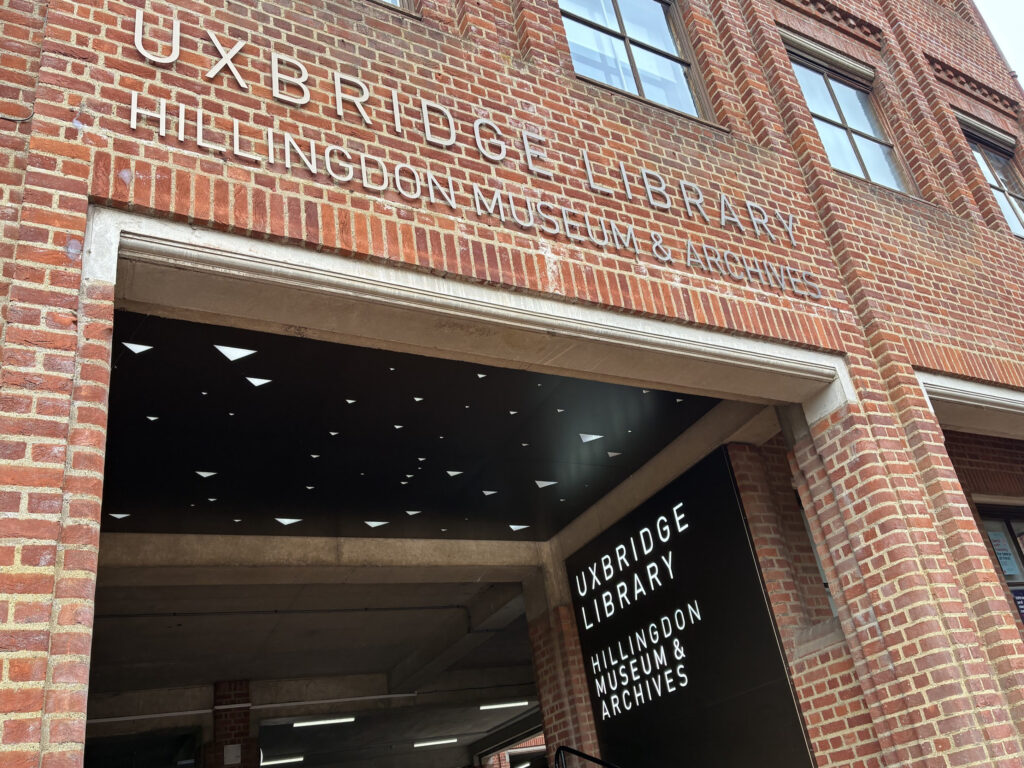
Open - Where our facts and figures come from - always keep the receipts
- Cabinet report: Strategic Review of Library Services and Future Delivery Model, 19 November 2026
- Cabinet report: Corporate Peer Challenge: Council Response and Action Plan, 19 November 2026, with the LGA’s peer challenge report (June 2026; also on the LGA website) and the Council’s action plan
- CIPFA, Hillingdon Council External Assurance Review, May 2026: our coverage, with the full report
- MHCLG, Best Value Notice to the London Borough of Hillingdon, 15 July 2026
- Cabinet report: Improvement and Assurance Board, First Quarterly Report, 22 October 2026
- Council Priorities 2026–2030
- Cabinet report: Council Budget – 2025/26 Draft Outturn Position, 25 June 2026 (Exceptional Financial Support amounts)
- Cabinet report: Council Budget – 2025/26 Budget Monitoring, Month 10, 19 March 2026 (Uxbridge Library building sale)
- Cabinet meeting, 22 October 2026, including the garden waste decision, and our coverage
- Hillingdon library branches


Comments are closed.